Ne Supra Crepidam: The Timeless Tale of the Cobbler and the Modern Concept of Ultracrepidarianism
In an age saturated with information and opinion, the ancient wisdom encapsulated in the Latin phrase "Ne supra crepidam" (literally, "not beyond the shoe") holds more relevance than ever. This age-old admonition, advising against passing judgment beyond one's expertise, directly informs the modern concept of
ultracrepidarianism – the act of offering opinions on subjects about which one has no special knowledge. Delving into the origins of this cautionary tale reveals profound insights into the value of expertise, humility, and the dangers of intellectual overreach, lessons that resonate deeply in our complex world.
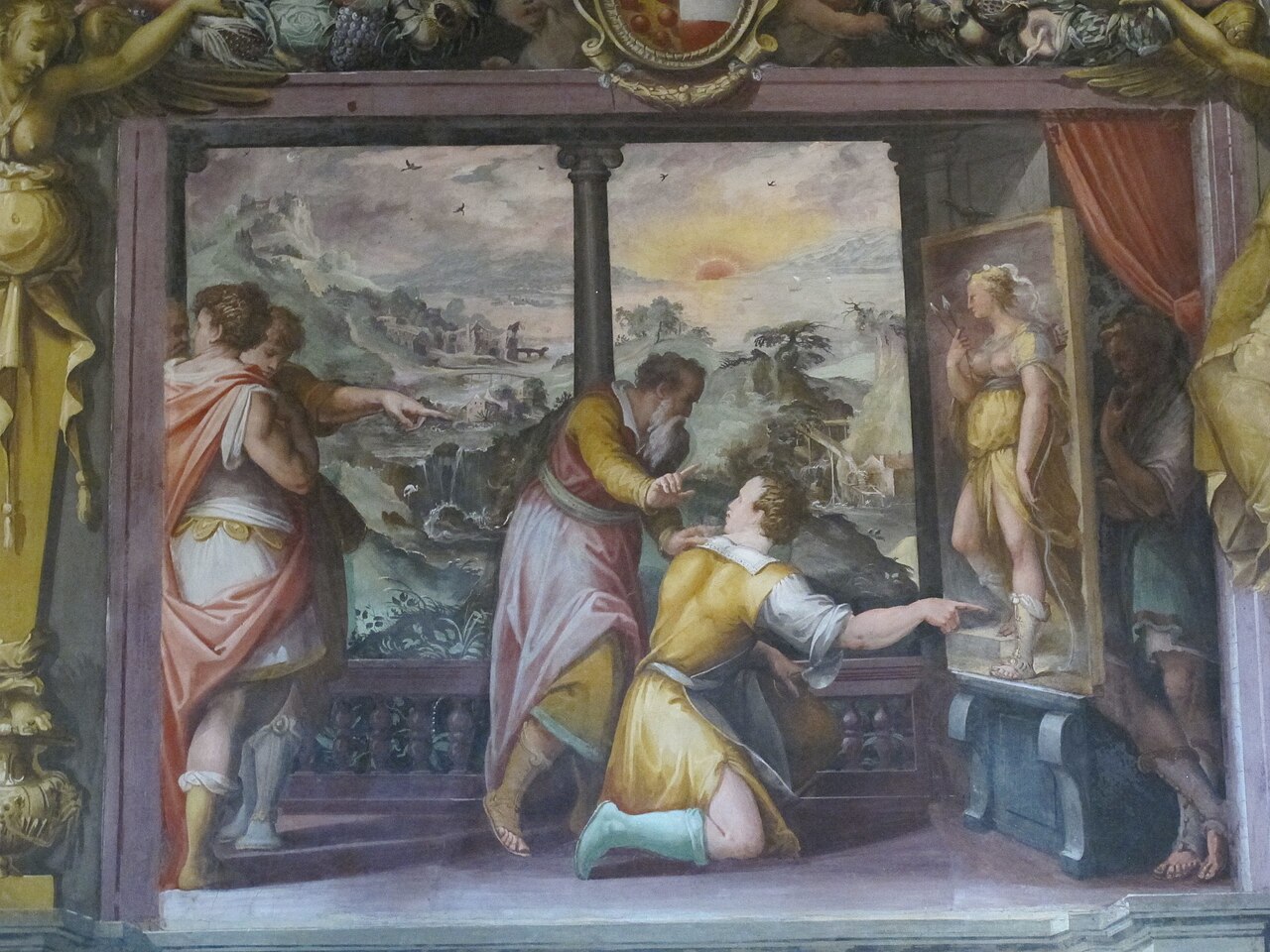
The Origins of Wisdom: Apelles, The Shoemaker, and "Ne Supra Crepidam"
The story that birthed "Ne supra crepidam" is a fascinating anecdote from classical antiquity, meticulously recorded by Pliny the Elder in his
Natural History (Book 35). It features Apelles of Kos, a legendary Greek painter renowned for his skill and, notably, his practice of displaying new works publicly to gather feedback.
The Cobbler's Insight and Overreach
According to Pliny, Apelles would discreetly listen to the public's reception of his paintings. On one such occasion, a shoemaker (
sutor in Latin) observed a detail in a painting: the *crepides* – a style of Greek sandal – had an incorrect number of straps. Apelles, valuing genuine critique, corrected the error. Encouraged by this success and perhaps feeling a surge of misplaced confidence, the shoemaker then began to criticize other parts of the painting, specifically the legs.
It was at this point that Apelles, emerging from his hiding place, delivered his famous retort: "Ne supra crepidam sutor iudicaret" ("Let the cobbler not judge beyond his shoe"). This wasn't merely a dismissal; it was a potent reminder of the importance of confining one's opinions to areas within one's established knowledge. The phrase quickly became a widely known proverb, a testament to the enduring human tendency to stray beyond one's intellectual boundaries. To explore more about its foundational meaning, read our article:
What is Ultracrepidarian? Origins of Opinions Beyond Expertise.
A Proverb's Journey Through History
The wisdom of Apelles' admonition did not fade with the Roman Empire. It experienced a vibrant revival during the Renaissance, an era deeply fascinated by both classical antiquity and the flourishing arts. Scholars like Erasmus included the adage in his *Adages* (as *ne sutor ultra crepidam*), ensuring its survival and spread.
Its translation and adoption across various European languages underscore its universal appeal. From Richard Taverner's "Let not the shoemaker go beyond hys shoe" (which evolved into "Cobler keepe your last" in English) to Danish ("Skomager, bliv ved din læst"), German ("Schuster, bleib bei deinem Leisten"), and Spanish ("Zapatero, a tus zapatos"), the core message remained consistent: acknowledge and respect the limits of your expertise. Even Pushkin in Russia and France Prešeren in Slovenia drew upon this enduring narrative to emphasize the same principle.
Unpacking Ultracrepidarianism: Beyond the Cobbler's Last
The formal term "
ultracrepidarian" emerged much later, attributed to the English essayist and writer William Hazlitt in the early 19th century. Formed from the Latin *ultra-* (beyond), *crepida* (sandal), and the suffix *-arian*, it perfectly encapsulates the essence of Apelles' warning.
Defining the Modern Dilemma
An
ultracrepidarian, whether as an adjective describing an opinion or a noun referring to a person, denotes "giving or offering opinions on something beyond one's knowledge or expertise." It carries a distinctly derogatory connotation, highlighting the imprudence and often arrogance of such behavior.
Examples from literature illustrate its application: Hazlitt's own "Ultra-Crepidarian critic" set the stage, while Inspector Queen in *The American Gun Mystery* was ironically described as an "Ultracrepidarian critic" due to his job requiring fault-finding in minor details – a critical observation of the difference between professional scrutiny and unwarranted judgment. More recently, authors like Richard A. Lanham and Peter Harrison/John Milbank have used the term to describe the angst or stupor of stumbling into contested intellectual territories without proper grounding.
The Ultracrepidarian in the Digital Age
Today, the spirit of the
ultracrepidarian thrives, perhaps more visibly than ever, in the vast and often unfiltered landscape of the internet. Social media platforms, online forums, and comment sections have become fertile ground for "armchair experts" to confidently pronounce on everything from complex scientific theories and global politics to intricate medical diagnoses and economic policies, often with little to no factual basis or specialized understanding.
This isn't to say that all public opinion is ill-informed. However, the ease with which one can publish thoughts globally has blurred the lines between casual observation, genuine inquiry, and outright pronouncements of pseudo-expertise, often at the expense of genuine knowledge and informed debate.
Why Knowing Your Lane Matters: The Value of Expertise and Humility
The consequences of widespread
ultracrepidarianism extend far beyond merely annoying a painter or misjudging a shoe. In a world grappling with complex challenges, the erosion of respect for expertise can have severe repercussions.
The Dangers of Unchecked Opinions
*
Misinformation and Disinformation: When opinions from non-experts are given equal or even greater weight than vetted knowledge, it creates an environment ripe for the spread of falsehoods, leading to confusion and distrust.
*
Undermining Legitimate Experts: Constant challenges from the uninformed can delegitimize the hard-won knowledge of scientists, doctors, engineers, and other specialists, impeding progress and public understanding.
*
Poor Decision-Making: Whether in personal life or public policy, decisions based on superficial understanding rather than deep expertise can lead to ineffective, harmful, or even disastrous outcomes.
*
Erosion of Credibility: Individuals who consistently offer opinions outside their domain risk losing their own credibility, both personally and professionally.
Embracing Intellectual Humility
Counteracting the urge to be an
ultracrepidarian requires cultivating intellectual humility. This doesn't mean refraining from curiosity or never venturing into new fields. Instead, it involves:
*
Self-Awareness: Recognizing and acknowledging the limits of one's own knowledge.
*
Respect for Specialization: Appreciating the depth of training, experience, and research that underlies true expertise.
*
A Commitment to Learning: Approaching new subjects with a mindset of inquiry and a willingness to learn from those who genuinely know more.
*
Asking Questions, Not Declaring Answers: Framing discussions as opportunities to gain understanding rather than assert uninformed positions.
Challenging the Boundaries: When Expertise Evolves and Intersects
While the core message of "Ne supra crepidam" is powerful, it's also essential to acknowledge its nuances. Not all contributions from outside a traditional field are inherently "ultracrepidarian." Innovation often occurs at the intersection of disciplines, driven by individuals who think differently.
Marx's Critique: Innovation Beyond the Last
Karl Marx famously critiqued the rigid application of "Ne sutor ultra crepidam," arguing that it became "sheer nonsense" when figures like James Watt (a watchmaker who invented the steam-engine), Richard Arkwright (a barber who invented the throstle), and Robert Fulton (a working-jeweller who invented the steamship) revolutionized industries outside their original crafts. Marx's point highlights that genius and transformative innovation can emerge from unexpected places, challenging the strictures of traditional craft wisdom. To delve deeper into this perspective, explore our piece on
Karl Marx and Ultracrepidarianism: Challenging Old Wisdom.
Navigating the Nuance: Discerning True Contribution from Superficial Opinion
The key distinction lies between genuine cross-disciplinary insight and uninformed speculation. Marx's examples were individuals who *applied* knowledge, curiosity, and ingenuity to *solve problems*, often mastering new domains in the process. This is vastly different from someone idly offering an opinion without having invested the time or effort to understand the subject matter.
True innovation from "outsiders" typically involves:
*
Deep understanding of core principles: Even if from a different field, the innovator applies rigorous analytical thinking.
*
Empirical testing and learning: Ideas are not just asserted but tested and refined.
*
Collaboration: Often, cross-pollinators work *with* existing experts to bring new perspectives.
The lesson here is not to stifle creativity or interdisciplinary thinking, but to distinguish between the intellectual courage to learn and apply knowledge in new ways, and the intellectual arrogance of speaking without foundation.
Practical Strategies for Avoiding Ultracrepidarian Tendencies
Cultivating a mindful approach to information and discussion is crucial in today's world. Here are some actionable strategies:
For Individuals:
- Know Your Limits: Regularly assess your own expertise. Where do you truly have deep knowledge, and where are you merely familiar?
- Research Extensively: Before offering an opinion on a complex topic, commit to thorough research from credible sources. Don't rely on headlines or anecdotes.
- Listen More Than You Speak: Prioritize understanding different perspectives and learning from others, especially those with established expertise.
- Frame as Questions, Not Declarations: If you're unsure but wish to contribute, phrase your input as a question or an exploratory thought rather than a definitive statement. "Have we considered X?" is different from "X is the answer."
- Value Verification: Before sharing information, ask yourself: Is this credible? Can I verify this through multiple reputable sources?
For Society:
- Promote Critical Thinking Skills: Education systems must emphasize how to evaluate sources, identify biases, and understand the scientific method.
- Support and Elevate Expert Voices: Media and public discourse should actively highlight and provide platforms for genuine experts.
- Foster Constructive Dialogue: Create spaces where respectful debate and learning are prioritized over shouting matches and confident ignorance.
Conclusion
The ancient story of Apelles and the shoemaker, immortalized in "Ne supra crepidam," and its modern embodiment in
ultracrepidarianism, provides a timeless lesson in intellectual humility and the profound value of expertise. While Karl Marx reminds us that innovation can indeed challenge traditional boundaries, the core message remains steadfast: genuine contribution stems from a foundation of knowledge, whether acquired through formal training or dedicated self-study. In a world overflowing with information, the ability to discern valid insight from uninformed opinion, and the discipline to speak with integrity and humility, are not just polite social graces – they are essential pillars for navigating complexity and fostering a truly knowledgeable society.